


Make everyday listening easier and hear conversations, television and household sounds more clearly. Medically approved and USB rechargeable, these amplifiers provide reliable sound enhancement and comfortable hearing support for everyday use.
Designed for use in either ear, this twin hearing amplifier set provides flexible hearing support to help make everyday listening easier. Use one amplifier as your main device and keep the second as a convenient spare. Lightweight and comfortable to wear, these hearing amplifiers also provide added peace of mind, knowing they are easy and economical to replace if lost or damaged.
Engineered to deliver impressive performance, these hearing amplifiers combine a powerful 128dB output with 50dB gain to provide reliable sound enhancement and help you stay connected to the sounds that matter most. The wide 400Hz to 4,200Hz frequency range captures a broad spectrum of everyday audio for greater clarity and improved listening.
Enjoy up to 16 hours of reliable use from a single 7-hour USB charge, providing dependable performance throughout the day. Supplied with three earplug sizes for a comfortable, personalised fit, each set also includes a protective storage case for convenient travel and storage.
- Twin Amplifiers: Suitable for use in either ear, with a second amplifier included as a convenient spare
- USB Rechargeable: Provides up to 16 hours of use from a single 7-hour charge
- Powerful Sound Enhancement: Delivers an impressive 128dB output with 50dB gain for clearer everyday listening
- Personalised Comfort: Includes three earplug sizes for a secure and comfortable fit
- Storage Case Included: Protective case keeps your amplifier safe and easy to store or transport
How Do We Hear?
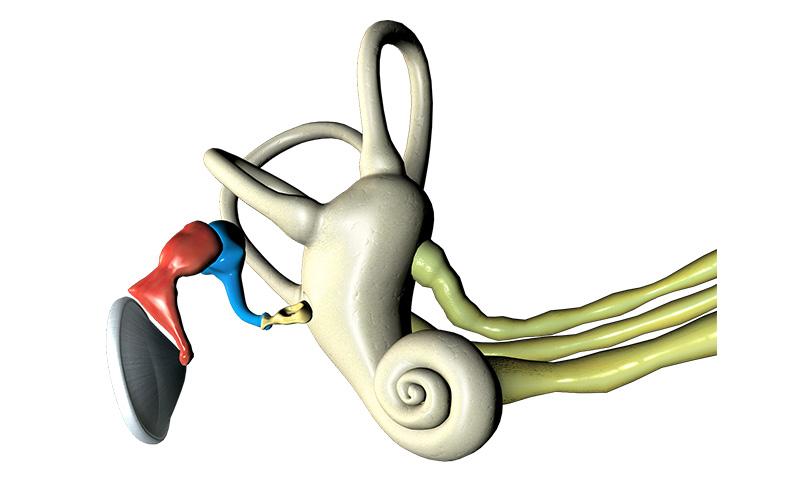
Soundwaves enter our outer ear and travel along the ear canal to the eardrum, causing it to vibrate. These vibrations are amplified by three small bones in the middle ear and sent to the cochlea, a snail-shaped structure filled with fluid.
As the fluid in the cochlea moves, 25,000 nerve endings are set in motion transforming the vibrations into electrical impulses for our brain to interpret.
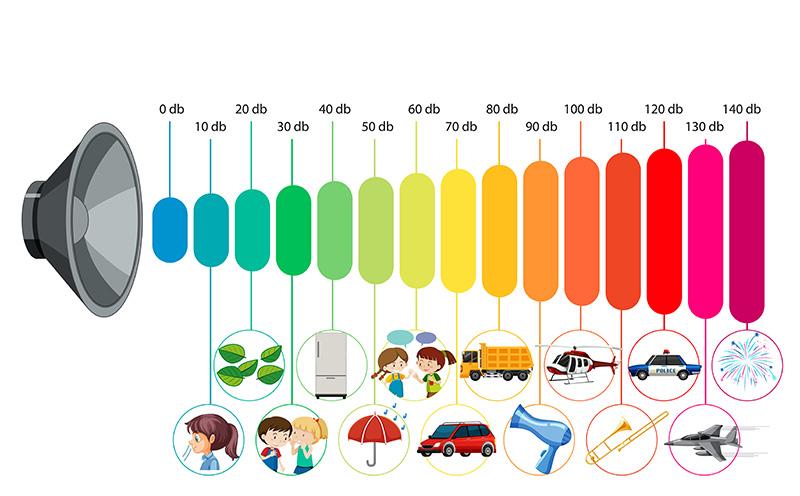
The sounds we hear are measured by Audiologists in terms of decibels (intensity) and frequency (pitch). The human hearing range typically falls between 0 to 140 decibels. People should avoid prolonged exposure to sounds above 80 decibels, as this may damage hearing.
Mild hearing loss exists when an individual struggles to hear sounds in the 30 to 40 decibel range, with moderate hearing loss affecting sounds in the 50 to 70 decibel range.
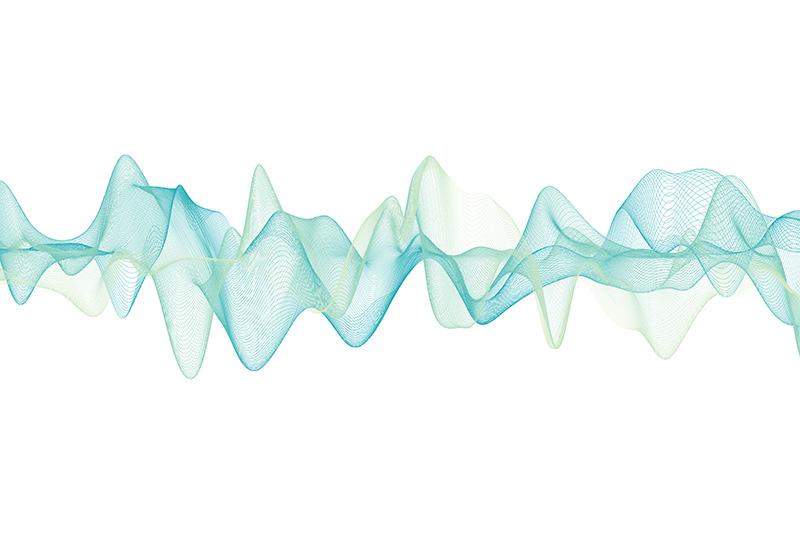
Frequency is represented by Hertz, with low numbers representing low sounds and high numbers representing high sounds. Everyday sounds range from 250 to 6,000 Hertz, although the human ear can detect sounds in the 20 to 20,000 Hertz range.
People typically miss high frequency sounds more often than low frequency sounds when they first develop hearing loss.
Presbycusis: Age Related Hearing Loss
One in three people over 65 have hearing loss, although they may not be aware of it at first due to the gradual change. This loss typically affects high-frequency noises first, such as a ringing phone or alarm tone.
The most common symptoms of age-related hearing loss include:
- High-pitches sounds, such as 's' or 'th' become hard to distinguish.
- Conversations are hard to follow, particularly when there is background noise.
- Other people's speech can seem mumbled or slurred, with men's voices easier to understand than women's.
- The onset of Tinnitus in one or both ears (ringing in the ears).
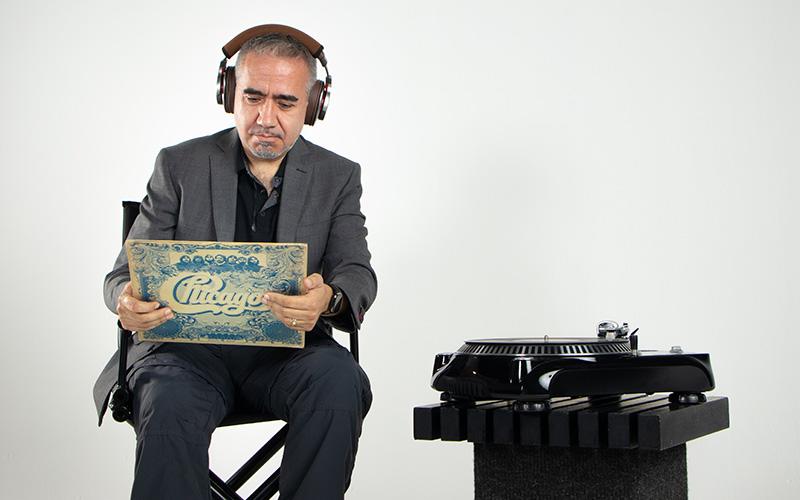
Emotional Impacts of Hearing Loss.
Beyond the physical loss, there can be dramatic mental impacts on the individual experiecing reduce hearing.

Depression and Anxiety
A loss of hearing can feel like a losing part of your identity, causing feelings of sadness and depression. Dealing with increasingly difficult sitatuions can lead to feelings of despair and hopelessness.

Isolation and Withdrawal
It is not uncommon for someone experiencing hearing loss to shy away from social situations to avoid feelings of stress, anxiety, and embarrassment. This issue is often reinforced where an individual cannot keep track of a conversation and begins to feel left out.
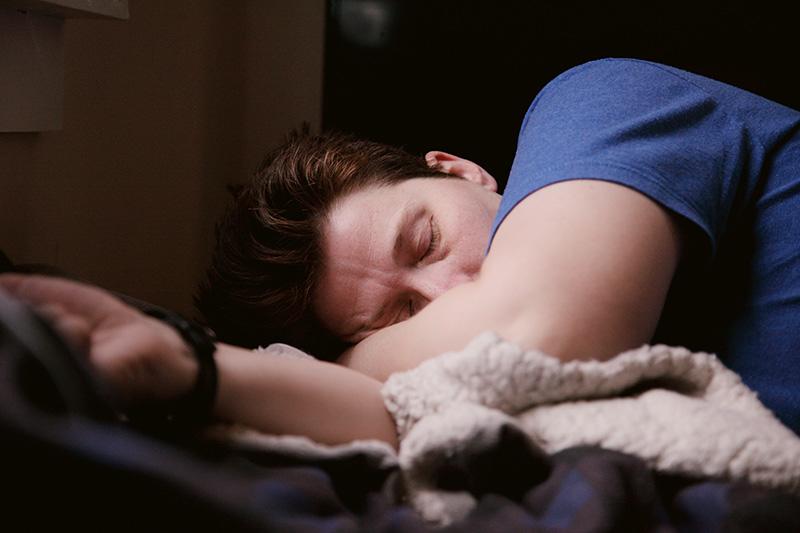
Fatigue
People with hearing loss often feel physically exhausted at the end of the day, from the strain of trying to hear and make sense of what people are saying because of all the additional work that is involved in hearing.
Why do people love our hearing amplifiers?
Simple to Use
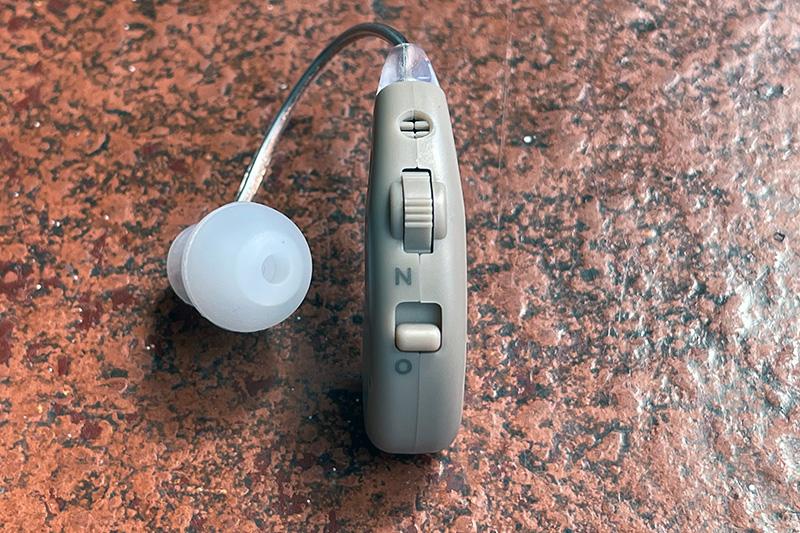
Featuring just an one/off switch and volume control, our hearing amplifiers are easy to set up and adjust.
Suits Every Kind
With a choice of ear buds and easy adjustment our amplifiers are ideal for anyone, big or small, young or old.
Economic to Replace
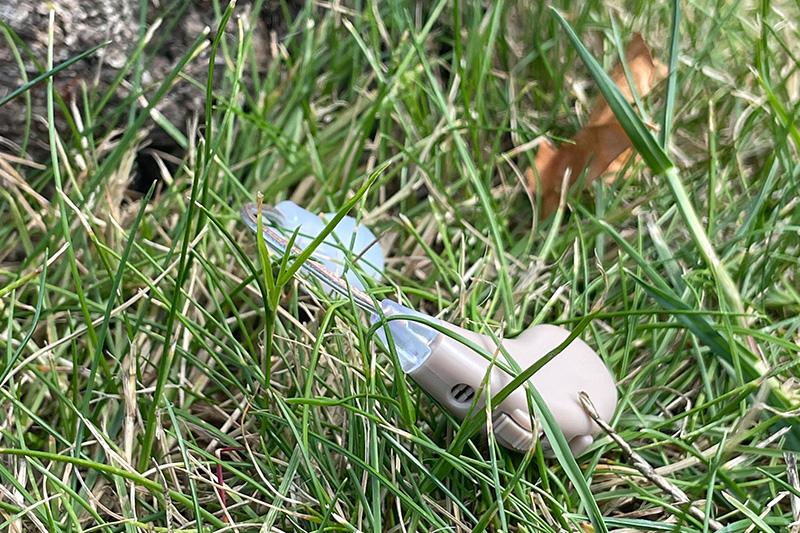
Stuff happens. The low cost of our amplifiers means you do not need to worry about life's little accidents.